Achieving the Technical Know-How of 7 Nanocomposites for Alleviating the Country's Water Stress by Researchers at Amirkabir University of Technology
| Last update: 2026/01/28 |
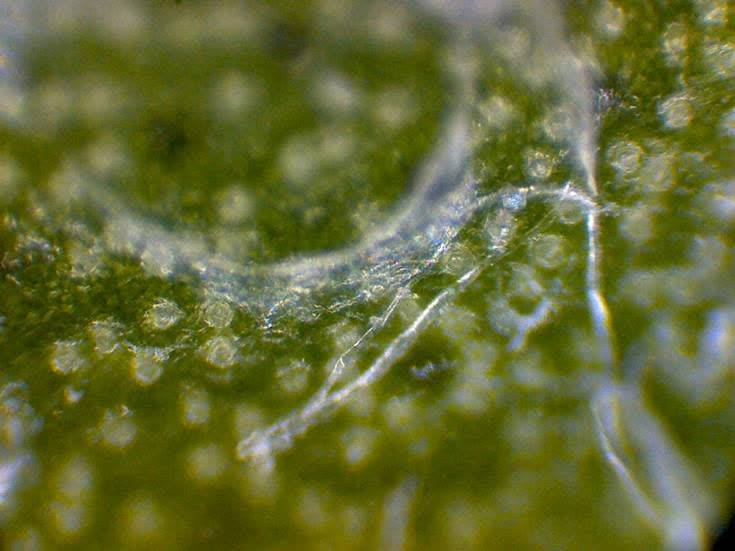
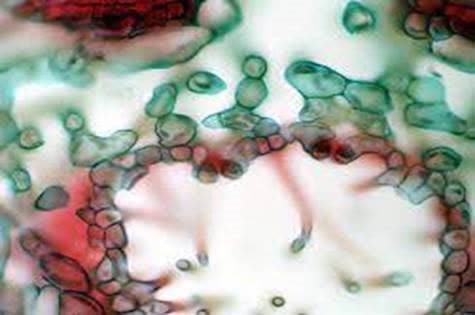
Researchers at Amirkabir University of Technology have succeeded in producing 7 types of nanocomposites, which they state can be effective in reducing water stress resulting from agricultural activities. According to the public relations report of Amirkabir University of Technology, Reza Khosravi Zanjan, a PhD graduate of Amirkabir University of Technology and the project executor, said: The research team at Amirkabir University of Technology, under the guidance of Dr. Majid Abdous, a professor at the university's Faculty of Chemistry, aiming to increase plant resistance to water stress, combat the water shortage crisis, and prevent tree drying, has successfully synthesized 7 polymeric nanocomposites. He added: The Faculty of Chemistry at Amirkabir University of Technology has, for some time, placed extensive studies and research on reducing air pollution and particulate matter problems on its agenda. One of the most important measures in this regard is the development of green spaces, for which the primary limitation is water resource constraints. Khosravi, stating that 90 to 93% of extractable water in the country is consumed in the agricultural sector, with 7 to 10% allocated to domestic and industrial uses, remarked: Therefore, any management or action to reduce water consumption in the agricultural sector will be more effective than in other sectors. Accordingly, a project for water consumption management aimed at urban green space development and reducing water use in the agricultural sector was placed on the faculty's agenda. In this project, the synthesis of polymeric nanocomposites and nanocoatings utilizing various nanoparticles has been carried out. The project executor, mentioning that this was a joint project between the Faculty of Chemistry and the Nanotechnology Research Center of Amirkabir University of Technology, stated: Nanotechnology is a science that, wherever it has permeated, has yielded astonishing results. In this project, which was modeled on nature itself, the results obtained have been very surprising and beyond the expectations of many researchers. Khosravi Zanjan continued: To increase plant resistance to water stress and drought, an in-depth investigation of nature's mechanisms was conducted, and the most important part of the research was the microscopic examination of plant stomata and their arrangement on leaves. Referring to the outcome of this research, he noted: The results revealed that the stomata of some plants, like oleander, are located in deep pits known as stomatal crypts, which contain numerous trichomes that reduce fast airflow. These pits and trichomes prevent rapid air current influence and drastically reduce the difference in relative humidity between the inside of the leaf and the outside environment. Khosravi added: This structure causes temperature changes and airflow to have less effect on the opening and closing of stomata, resulting in the plant losing less moisture and consequently exhibiting high resistance to water stress. He further said: By mimicking this natural mechanism, we synthesized 7 polymeric nanocomposites to artificially create the structure of stomatal crypts or design nanocoatings that play a similar role. Microscopic images clearly demonstrate the success of this major project. Khosravi emphasized: This success, in addition to definitively saving orchard trees and urban green spaces during drought, can, in the near future, help expand the cultivation area of agricultural products, especially cereals like wheat, barley, and rice, and is very promising.